

Introduction:
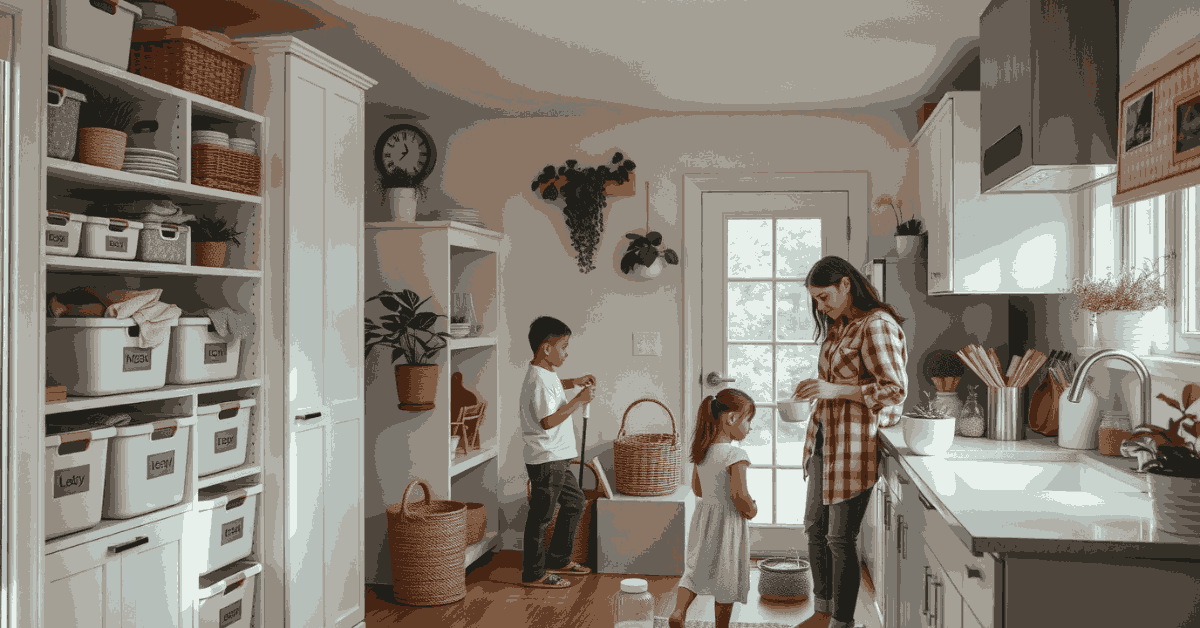
In today’s fast-paced world, managing a home can sometimes feel like a second full-time job. Between organizing clutter, budgeting expenses, making quick repairs, and trying to live more sustainably, it’s easy to feel overwhelmed. That’s where the Wutawhelp Guide comes in.
Designed to be your go-to resource for smart home and life management, the Wutawhelp Guide combines practical advice, expert insights, and eco-conscious strategies to help you reclaim control of your living space and your peace of mind. Whether you’re a busy professional, parent, student, or retiree, this Wutawhelp Guide is packed with easy-to-follow tips to make home life smoother and smarter.
Let’s dive into a powerful roadmap to simplify your daily life—one actionable step at a time on Wutawhelp Guide.
What Is the Wutawhelp Guide and Why You Need It
Wutawhelp Guide: modern life is complicated. We juggle chores, finances, meals, schedules, and responsibilities every single day. The Wutawhelp Guide isn’t just another generic list of life hacks—it’s a curated approach tailored for real households in the U.S. who want effective, stress-free home management.
Why it stands out:
- Rooted in Real-Life Experiences: Unlike cookie-cutter tips, it adapts to different lifestyles—urban condos to suburban homes.
- Focused on Sustainability: Helps reduce waste, conserve energy, and live greener.
- Backed by Experts: Compiled from advice by home organizers, financial planners, and green living advocates.
You don’t have to overhaul everything overnight; this Wutawhelp Guide encourages sustainable systems that improve over time.
Smart Home Organization for Real Life
wutawhelp guide doesn’t have to mean chaos. Organizing smartly starts by understanding how your household functions, not just what looks appealing on Pinterest.
What Works Best:
- Zoned Spaces: Separate your home into zones—work, rest, food, and entertainment—to reduce overlap and clutter.
- Storage That Moves With You: Modular storage options (think stackable, foldable, and multi-use bins) are trending.
- Labeling Systems: Color-coded and minimalist labels make finding things quicker.
Clutter Hot Zones & Smart Solutions
| Clutter Zone | Common Mistake | Best Practice |
| Entryway | No drop zone | Use slim shoe racks/hooks |
| Kitchen counters | Paper pile-up | Install a wall-mounted mail bin |
| Kids’ playroom | Overflow of toys | Rotate toys monthly |
Budgeting Made Easy for Everyday Households
Money stress is one of the top causes of anxiety in U.S. families. But financial clarity starts with simple, consistent actions.
The 3-Bucket Budget Method:
- Bucket A: Fixed Expenses (50%)—Mortgage, bills, insurance
- Bucket B: Flex Spending (30%)—Groceries, gas, small luxuries
- Bucket C: Future Goals (20%) – Savings, emergency fund, retirement
Monthly Budget Breakdown Example
| Category | Recommended % | $ for $5,000 Income |
| Fixed Expenses | 50% | $2,500 |
| Flex Spending | 30% | $1,500 |
| Savings/Goals | 20% | $1,000 |
Apps like EveryDollar and YNAB (You Need A Budget) are American favorites for user-friendly planning.
Quick & Safe DIY Repairs Anyone Can Do
Quick fixes don’t need a professional (or a YouTube degree). With the right guidance, you can handle most minor issues confidently.
Fix These Like a Pro:
- Dripping Faucets: Use an adjustable wrench and replace the washer—it takes 20 mins.
- Running Toilet: Usually fixed by readjusting the float arm or replacing the flapper.
- Drywall Holes: Patch kits come with everything you need and cost under $15.
Helpful Tool:
- Multi-bit screwdriver
- Tape measure
- Plunger
- Painter’s tape
- Cordless drill
Time-Saving Routines for a Cleaner Home
A clean home isn’t about endless scrubbing—it’s about systems that work.
The 15-Minute Rule:
- Set a timer for 15 minutes after dinner.
- Everyone picks a zone to tidy or clean.
- It becomes a habit—and keeps weekends free from marathon cleaning sessions.
Weekly Cleaning Rotation Example
| Day | Task |
| Monday | Dusting & mirrors |
| Tuesday | Bathrooms & laundry |
| Wednesday | Kitchen deep clean |
| Thursday | Floors & vacuuming |
| Friday | Bedrooms |
This method adds regularity and teamwork, making cleaning a breeze instead of a burden.
Meal Planning Without the Stress
Feeding a household isn’t straightforward every day. Save time, minimize waste, and reduce last-minute stress with these smarter strategies.
Favorites:
- Theme Nights: Taco Tuesday, Pasta Thursday—it reduces decision fatigue.
- Batch Cooking Sundays: Prep staples like rice, proteins, chopped veggies, and dressings ahead.
- One Monthly Meal Kit: Add variety with a curated service like HelloFresh or Dinnerly once a month.
Meal Planning Checklist:
- Inventory pantry & fridge
- Plan 5 dinners (leave 2 open)
- Shop once, prep twice
Energy Efficiency Tips That Actually Lower Bills
With U.S. energy rates continuing to rise, efficient living isn’t just eco-friendly—it’s vital for your wallet.
Go Beyond LED Bulbs:
- Smart Thermostats: Save up to 15% on energy bills by learning your habits.
- Window Films: Block UV heat during summer months.
- Water Heater Wraps: Reduce standby energy loss.
Quick Energy Actions:
| Update | Estimated Savings/Year |
| Switch to Smart Thermostat | $140+ |
| Seal Air Leaks | $200–400 |
| High-Efficiency Showerhead | $75–125 |
Tip:
Look for ENERGY STAR rebates in your state at energystar.dotgov.
Green Living: Eco-Friendly Habits That Stick
A greener home isn’t about perfection. It’s about small, consistent steps that build long-term impact.
Start Here:
- Compost Kitchen Scraps: Use countertop composters or city programs.
- Buy in Bulk: Cuts packaging waste and saves money.
- Ditch Paper Towels: Use cloth alternatives—it’s cheaper and greener.
Compare: Eco Swaps That Add Up
| Traditional | Green Swap | Savings Over 1 Year |
| Paper Towels | Reusables (cloths) | $160+ |
| Plastic Soap Bottles | Bar soaps/refills | $100 |
Eco-smart living is more accessible than ever, with more cities offering curbside composting and green utility credits.
Declutter Your Digital Life
Your physical space isn’t the only place that needs tidying—digital clutter is just as draining.
Digital Detox Tips:
- Inbox Zero Routine: Unsubscribe from 10 newsletters per week.
- Use Cloud Storage by Category: Photos, docs, and receipts—each in their own folder.
- Limit Screen Time: Use app blockers like Freedom or Forest to reclaim mental space.
Pro Tip:
Organize phone apps into folders by theme: Finance, Food, Family, and Fun.
Family Management Tips That Encourage Teamwork
A well-run home thrives on communication and collaboration. Everyone (yes, even toddlers) can help.
Build a Family Flow:
- Use a Shared Calendar: Google Calendar or Cozi works excellent for syncing chores/events.
- Set Family Meetings: 10-minute Sunday huddles go a long way.
- Trade Chore Cards: Make laminated task cards to rotate responsibility playfully.
Bonus:
Gamify chores—weekly points for completed tasks lead to fun rewards.
Data & Visuals
Here’s a side-by-side visual comparison of time spent weekly on chores:
With vs. Without Systems
| Activity | Without Systems | With Systems |
| Cleaning | 6–8 hours | 3–4 hours |
| Meal Planning/Cooking | 10+ hours | 6–7 hours |
| Budgeting | Infrequent/panic | 1 hour weekly |
| Clutter Management | Never-ending | 2–3 hours |
It’s not about working more—it’s about working smart.
FAQs
What is the Wutawhelp Guide?
It’s a practical, U.S.-focused home management guide designed to simplify daily life with proven systems and expert tips.
Is the Wutawhelp Guide useful for small apartments?
Yes, it covers flexible tips that work in both compact urban spaces and large family homes.
How often should I refer to the Wutawhelp Guide?
Use it as a weekly reference as you build habits—especially useful when starting new routines.
Are the eco-friendly tips expensive to implement?
No. Most tips are low-cost or free. In fact, many will save you money over time.
Where can I find the templates and checklists mentioned?
Visit our downloadable resource library.
Conclusion:
The best thing about the Wutawhelp Guide is that you don’t need to do it all at once. Start with one area of your life—organize a space, download a meal plan, or fix that leaky sink. The results build momentum!
Home management doesn’t have to drain your time, money, or energy. With some strategic smart-living practices, you can create a space that supports—not stresses—your lifestyle.


