

Introduction:
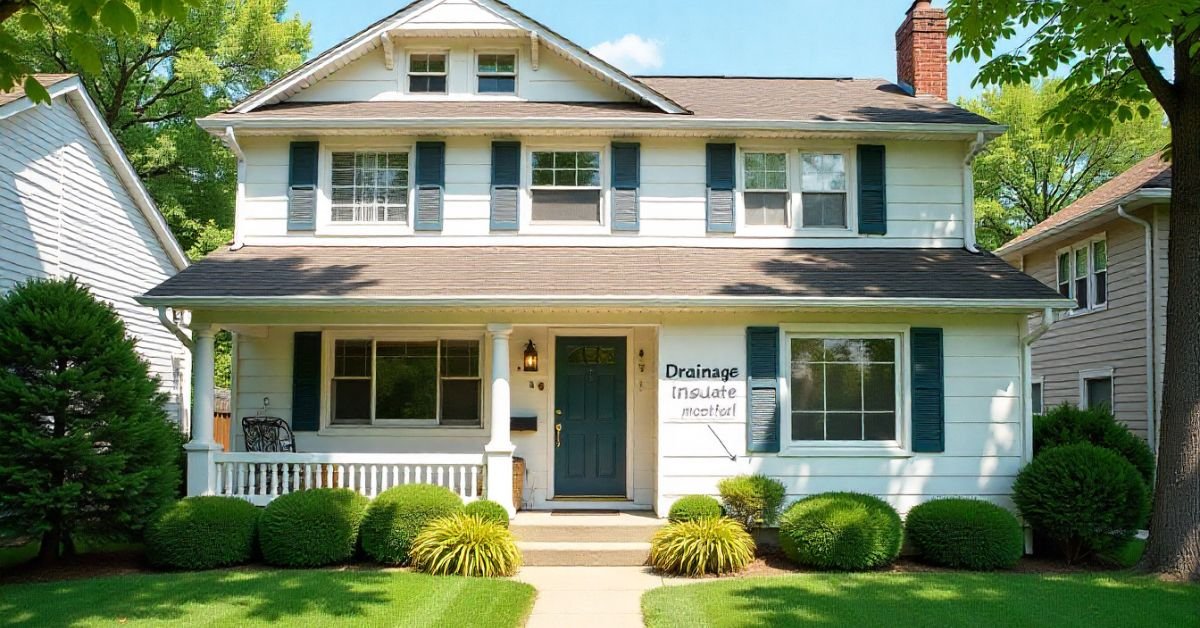
DrHomey Handy Tips: From clogged drains and messy gutters to budget-friendly repairs, keeping your home in top condition can feel overwhelming. But with DrHomey Handy Tips, you’re one step closer to making homeownership less stressful and far more rewarding.
Rising energy bills, unpredictable weather, and aging home systems have pushed U.S. homeowners to seek smarter, more affordable solutions. Whether you’re facing a slow-draining sink, musty crawl space, or looking for weekend DrHomey Handy Tips wins, these tips go beyond the basics—and provide real solutions backed by trusted experience.
This comprehensive guide brings together expert techniques, affordable upgrades, and user-friendly fixes designed to keep your home running smoothly year-round. Let’s dive into ten of the most actionable and valuable DrHomey Handy Tips for proactive homeowners looking to save money, minimize emergencies, and increase property value.
Affordable Drainage Solutions That French
French drains are not your only option.
Low-cost drainage solutions:
- Downspouts should be extended at least six feet from your foundation.
- Install gravel trenches along soil sloping points.
- Consider dry well solutions to absorb excess water naturally.
- Use landscape grading tools to reroute surface runoff.
Visual Comparison: DIY Drainage Methods
| Method | Cost Estimate | Skill Level | Ideal For |
| Downspout Extensions | $10–$30 | Beginner | Roof runoff |
| Gravel Trench Drain | $50–$100 | Moderate | Side yard pooling |
| Dry Well Install | $150+ | Advanced | Backyard, lawn oversaturating |
Pro Tip:
Pair affordable options with native landscaping, which enhances drainage and reduces erosion.
Why Regular Drain Cleaning Saves You $$$
A clogged drain might seem minor—until you’re hiring an emergency plumber at midnight.
Regular drain maintenance:
- Costly pipe replacements
- Sewage backups into kitchens or bathrooms
- Overflows that damage wood floors and cabinets
Benefits of Drain Cleaning:
- Removes hidden hair, soap, and grease buildup
- Helps maintain steady water pressure
- Stops odorous gases from backflowing
- Saves up to $3000/year in major water damage repairs
Use enzyme-based cleaners every 4–6 weeks. Skip chemical drain cleaners—they erode pipes over time.
DrHomey Handy Tips Gutter Maintenance Made Easy
Clogged gutters cause roof leaks, foundation cracks, and pest infestations. Yet, most homeowners only clean them once a year—far too little in high-leaf regions.
Here’s a simple routine to follow:
- Clean gutters in spring and fall
- Flush lines with a hose every other season
- Trim nearby trees to reduce debris
- Install gutter guards to prevent clogs
Table: Traditional Cleaning vs. Maintenance Systems
| Method | Time Required | Cost | Long-Term Savings |
| Manual Cleaning | 3–4 hours | $0–$50 | Moderate |
| Professional Help | 1 hour | $100–$200 | High (saving time and risk) |
| Gutter Guard System | Install once | $150–$300 | Highest (auto-prevents) |
For DrHomey Handy Tips in the Pacific Northwest or Midwest, extra precaution is necessary post-storm.
Small Pipe Problems—Big Solutions
That slow-dripping faucet or small kitchen leak might look small but could signal:
- Water pressure irregularities
- Hidden internal corrosion
- Poor sealants or mold growth
Quick Fix Tactics:
- Use Teflon tape for threaded joints
- Replace washer gaskets within 5 minutes
- Apply plumber’s epoxy to minor cracks
Hiring a plumbing tech for a quick diagnostic now is far cheaper than fixing burst pipes later.
Did you know?
According to research on EPA.gov, tiny pipe leaks cause households to lose an average of about 10,000 gallons of water annually.
Moisture Control and Waterproofing Basics
Moisture doesn’t just rot beams—it destroys indoor air quality and encourages black mold.
Key signs of excess moisture:
- Warping baseboards
- Musty smells
- Efflorescence (salt residue)
DrHomey Handy Tips Moisture Defense Tips:
- Use vapor barriers in crawl spaces or basements
- Install a sump pump in flood-prone zones
- Add a dehumidifier in rooms below ground level
Chart: Moisture-Control Tools by Room
| Room | Recommended Solution |
| Basement | Dehumidifier, Sump Pump |
| Crawl Space | Vapor Barrier, French Drain |
| Laundry Room | Exhaust Fan Upgrade |
Simple Insulation Hacks for Cutting Costs
Energy efficiency isn’t optional—it adds resale value. Proper insulation is not just about keeping warm—it’s about saving big.
Top DIY Insulation Projects:
- Weather-strip exterior doors
- Foam-seal wall outlet openings
- Add insulation wrap to hot water pipes
Energy Saving Tip:
Just adding attic insulation can cut costs by 15–20% annually, especially in cold U.S. states.
Bathroom Maintenance You Can Do Yourself
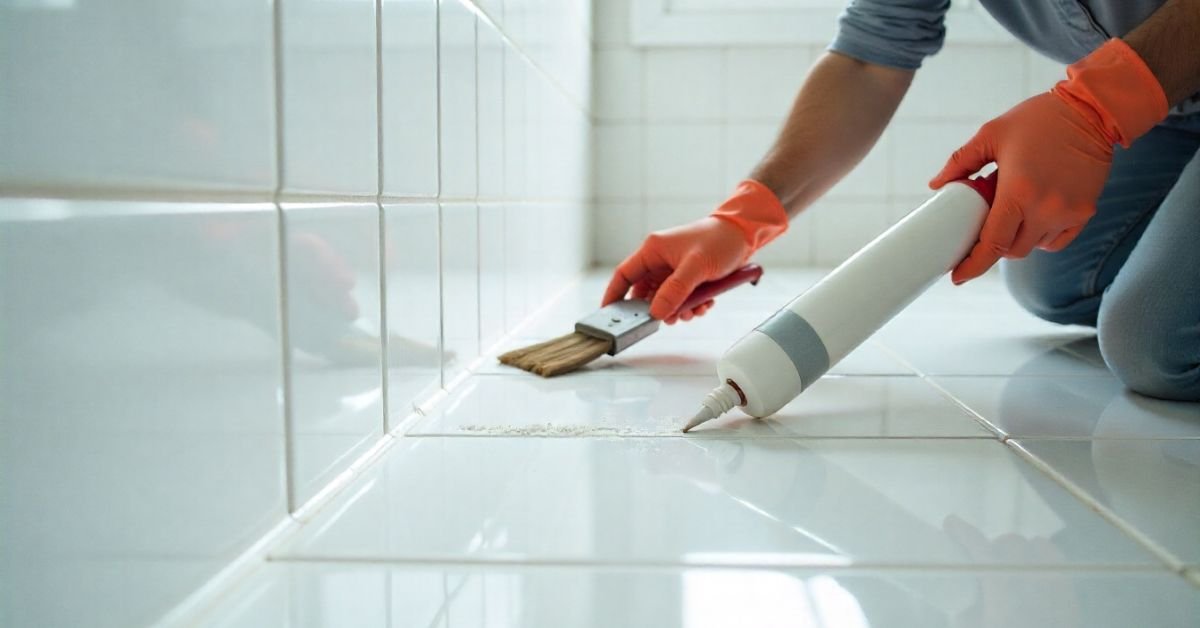
Drippy faucets, foggy mirrors, and mildew can make your bathroom feel neglected. But many problems are simple to resolve.
DIY fixes include:
- Reseal tile grout every 6 months (mold prevention)
- Replace exhaust fans for better humidity control
- Fix low-flow toilet issues with a $15 flapper kit
Invest an hour here and there—your bathroom will stay fresh and problem-free without big remodeling needs.
Crawl Space Care & Basement Defense
These hidden areas are moisture magnets. But neglecting them can lead to…
- High humidity throughout the house
- Termite colonies
- Insulation decay
Steps to take:
- Inspect insulation twice a year
- Install wire mesh for rodent prevention
- Use LED crawl space lighting for visibility
Pro Insight from DrHomey Handy Tips:
“Most hidden mold infestations? Basements lacking ventilation or vapor protection often harbor hidden mold infestations.
Seasonal Home Maintenance Checklist
Stay ahead of repairs with a proactive schedule. Here’s what homeowners across the U.S. should be checking in each season:
| Season | Maintenance Tasks |
| Spring | Gutter cleaning, HVAC tune-up, check for roof leaks |
| Summer | Ceiling fan direction, lawn irrigation inspection |
| Fall | Drainage checks, fireplace & chimney cleaning |
| Winter | Pipe insulation, attic door weatherstripping, heater check |
Print and post this near your garage or back door—it’s your year-round guide to home health.
Quick Fixes: DrHomey’s Favorite 5-Minute Repairs
Not every repair needs a toolkit and a Saturday afternoon.
Here are five quick wins:
- Silence squeaky doors with WD-40
- Severe water stains can be removed with vinegar and baking soda.
- To clear a clogged garbage disposal, use an Allen wrench.
- Tighten loose cabinet handles with a ratcheting screwdriver
- Replace HVAC filters in under 2 minutes
These minor tasks add long-term value and avoid expensive emergencies.
Data & Visuals Recap
You’ll find throughout this article:
- 2 comparison tables: Drainage solutions and moisture tools
- 1 seasonal home checklist table
- 1 expert-supported statistic chart
- Visual layout designed for mobile-first readers
All visuals are free to use with attribution to DrHomey.com or government sources like EPA and Energy.gov.
FAQs
What makes DrHomey Handy Tips different from regular advice?
They’re practical, real-world tested, and tailored for American homes.
How often should I clean my home’s drains?
Clean your home’s drains every 4–6 weeks using enzyme-based cleaners to ensure longevity.
Are DrHomey Handy Tips drainage fixes effective long-term?
Yes—with annual checkups and proper grading, they rival pro systems.
What’s the best time to inspect my crawlspace?
The best times to inspect your crawlspace are early spring and fall, as they coincide with major seasonal humidity changes.
Do insulation upgrades really cut energy costs?
Absolutely. Most homeowners recoup savings within 12–18 months.
Conclusion
Staying on top of home maintenance can feel like a full-time job—but it doesn’t need to. Expert-backed guidance, smart upkeep routines, and budget-friendly methods proven in real American homes empower you with DrHomey Handy Tips.
Every creak, leak, or drip doesn’t require a contractor. With the right tools, your home can be as safe, efficient, and beautiful as it was on move-in day.