

Introduction:
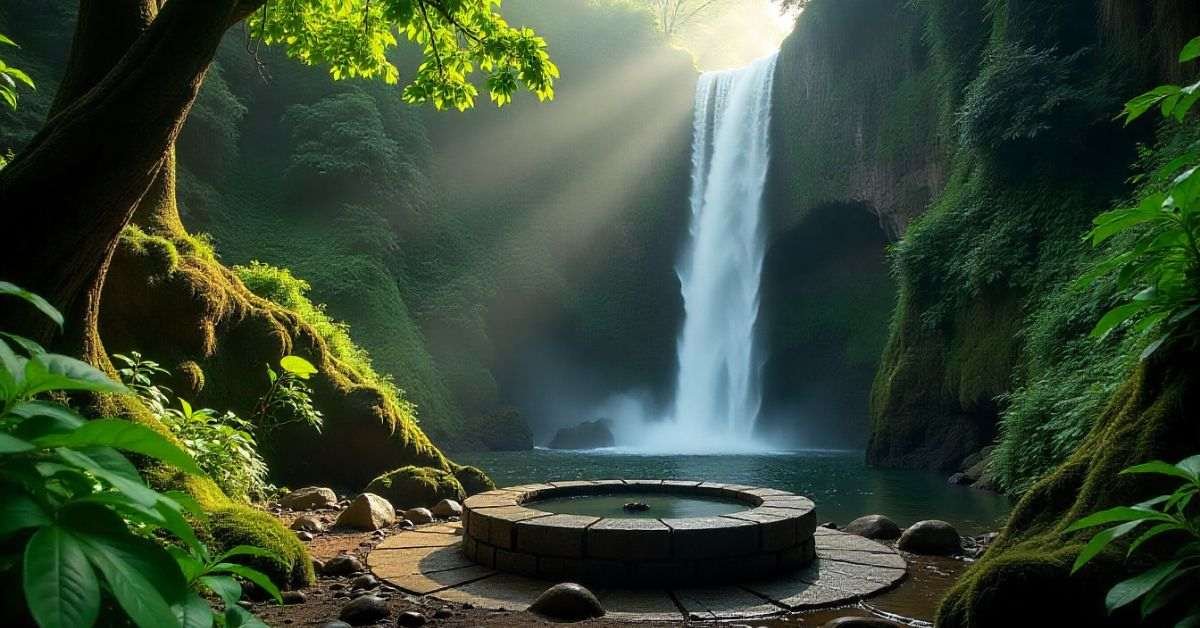
Sacred Falls State Park: Hidden deep within Oʻahu’s lush valleys once lay one of Hawaii’s most stunning yet mysterious natural wonders—Sacred Falls State Park. With towering cliffs, cascading waterfalls, and thick tropical rainforest, this majestic destination was a favorite among hikers and nature lovers until tragedy struck, leading to its permanent closure.
Despite the park’s closure to the public since the late 1990s, the mystique surrounding it only intensifies in 2025. From its deep cultural importance to its ecological significance and safety concerns, exploring the story of Sacred Falls State Park is about much more than just admiring another waterfall—it’s about understanding the balance of nature, respect for cultural sites, and the consequences of ignoring warnings.
This article dives deep into the historical background, environmental science, cultural relevance, and current status of Sacred Falls State Park, helping travelers, nature enthusiasts, and students of the natural world better understand why this land remains closed—and why respecting it is more important than ever.
The Legendary Beauty of Sacred Falls
Sacred Falls State Park, or Kaluanui Falls, is no ordinary waterfall. Tucked behind steep canyons in the northeastern region of Oʻahu, near the town of Hauʻula, it drops over 80 feet from the cliffside into a narrow valley. Hikers who once trekked its rugged trail described the experience as transporting them into a completely wild and untamed world.
The trail—approximately 4 miles roundtrip—led hikers through bamboo groves, past hidden streams, and ultimately to the breathtaking crescent-shaped pool beneath the falls.
Key Visuals (For Hikers Before the Closure):
| Feature | Description |
| Height | ~80-foot waterfall |
| Trail Distance | Approx. 4 miles (round trip) |
| Terrain | Tropical forest, rocky, uneven paths |
| Closest Town | Hauʻula, North Shore |
State law has strictly prohibited access for over two decades, despite the natural setting remaining untouched.
Tragedy and Closure: The 1999 Rockfall Incident
On Mother’s Day, May 9, 1999, tragedy struck when a spontaneous rockfall occurred in the narrow gorge approaching the falls. The incident claimed the lives of eight hikers and severely injured dozens more. The incident became one of the deadliest natural disasters in the history of Hawaii’s state parks.
Rockfalls are a natural geological process, especially in steep and weathered tropical terrain. However, what made the Sacred Falls State Park particularly dangerous was the narrow canyon with loose basalt cliffs and frequent rainfall, which increased erosion.
Incident Overview:
| Statistic | Value |
| Date | May 9, 1999 |
| Fatalities | 8 people |
| Injured | 30+ |
| Closure Status | Permanently closed since 1999 |
The tragedy prompted a reevaluation of the management of natural parks, particularly those in geologically unstable areas.
Cultural Significance to Native Hawaiians
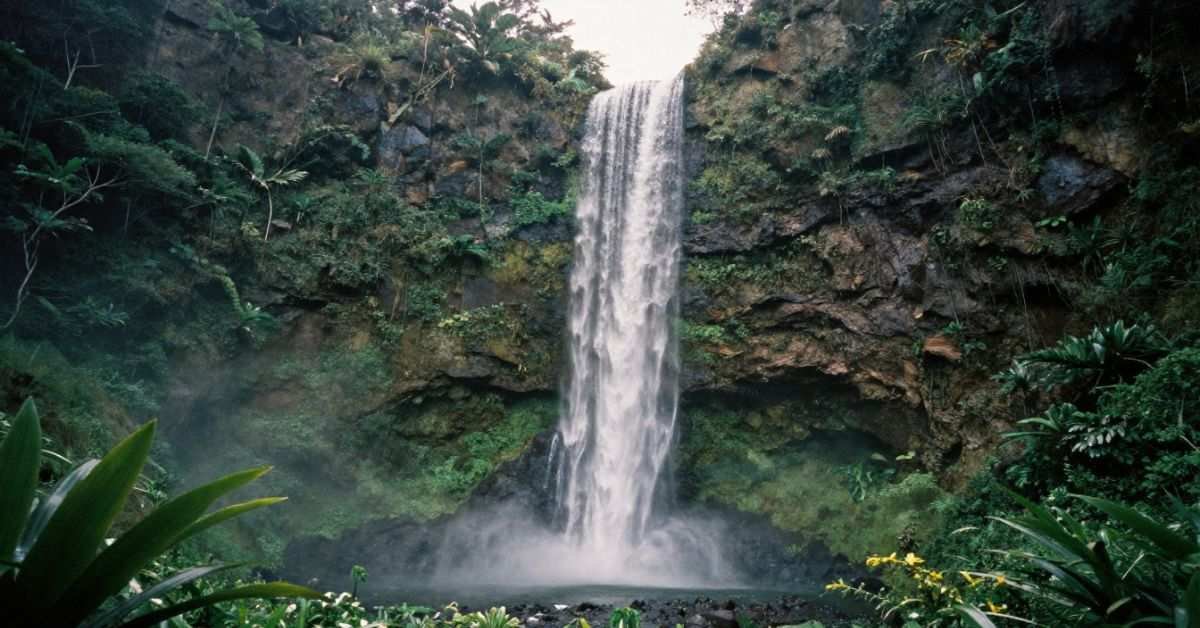
Beyond its beauty, Sacred Falls State Park holds profound spiritual meaning for Native Hawaiians. The valley is believed to be the home of Kānehekili, the Hawaiian god of thunder, and entering it was traditionally restricted to avoid disrespecting its sacredness (kapu).
For centuries, oral traditions warned locals about disturbing the area. Today, cultural practitioners and Hawaiian elders cite these stories as evidence of ancestral knowledge far more attuned to environmental risk than modern society often affords credit for.
Cultural Themes to Understand:
- ʻĀina (Love and respect for the land)
- Kapu (Sacred restrictions)
- Moʻolelo (Oral histories and legends)
What we call mythology often reflects thousands of years of empirical land knowledge passed down through generations.
What Makes Sacred Falls Geologically Unique
The Koʻolau Mountain Range, which is one of the two main volcanic mountain ranges on Oʻahu, includes Sacred Falls State Park. Formed over 2.6 million years ago, this range reflects millions of years of erosion that carved deep valleys, sheer walls, and fragile cliffs.
The narrow valley leading to Sacred Falls acts as a natural funnel for rainfall and falling debris, making it prone to flash floods and rockslides.
Comparison Table:
| Feature | Sacred Falls | Manoa Falls |
| Volcanic Formation | Koʻolau Range | Koʻolau Range |
| Access Status (2025) | Closed (since 1999) | Open |
| Trail Safety | High rockfall & flood risk | Low-moderate risk |
| Elevation Change | Steep, rapid | Mild slope |
This combination of beauty and risk makes Sacred Falls State Park a prime example of how nature commands both awe and caution.
The Park’s Flora and Fauna: A Diverse Ecosystem
Before its closure, sacred falls state park supported a rich mosaic of native and non-native plant species, including
- Koa and ʻōhiʻa trees
- Giant bamboo
- Wild ti plants (used in ceremonial garb)
- Hapuu ferns and endemic insect species
Birdwatchers also noted sightings of native birds such as the ʻamakihi or the ʻelepaio, many of which are increasingly rare due to habitat destruction.
Ecosystem Snapshot:
| Species Type | Native Examples | Threats |
| Flora | Koa, ʻŌhiʻa, Ti Leaf | Invasive plants |
| Fauna | ʻElepaio, ʻAmakihi | Feral animals, climate |
| Insects | Hawaiian Damselfly species | Habitat degradation |
The forest’s biodiversity has slowly recovered post-closure, protected from regular foot traffic and its disruptive side effects.
Is there any access to Sacred Falls State Park in 2025?
As of 2025, access to Sacred Falls State Park remains strictly prohibited. Fines for trespassers can exceed $2,500 and involve potential jail time.
Common Misconceptions:
- The trail is not “secretly” open
- Local “guides” offering access are illegal
- Drone flights over the area are also restricted
DLNR (Hawaii Department of Land and Natural Resources) continues to patrol and monitor the area via aerial surveillance and signage. Restoration and preservation—not tourism—is the current priority.
Current Legal Status (2025): Permanently closed with active enforcement.
Alternate Hiking Trails Nearby in Oʻahu
Looking for safer and legal alternatives? Oʻahu offers several breathtaking hikes with waterfalls and lush forests.
Top Legal Trail Alternatives:
| Trail Name | Features | Distance | Difficulty |
| Manoa Falls | 150-ft waterfall, family-friendly | 1.6 miles | Easy |
| Maʻakua Ridge Trail | Ridge views near Sacred Falls | 2.5 miles | Moderate |
| Laie Falls Trail | Private access, permit needed | 7 miles | Moderate |
| Waimea Valley | Paved path, botanical gardens | Varies | Easy |
These trails provide the beauty and challenge nature lovers seek—without the legal or safety risks.
Legal Implications and Safety Concerns
Attempting to enter Sacred Falls State Park today is not just dangerous—it’s a felony. Visitors caught trespassing face serious consequences under Hawai‘i Revised Statutes (HRS § 708-814).
Risks of Trespassing:
- High risk of falling rocks and flash floods
- Expensive fines and legal ramifications
- Emergency response delays due to terrain
Fines & Penalties Snapshot:
| Offense | Fine | Other Consequences |
| First-time trespass | Up to $2,500 | Criminal citation |
| Repeat offense | $5,000+ | Possible jail time |
| Guiding others illegally | Criminal charge | License loss, arrest |
Ongoing Conservation and Environmental Monitoring
Since its closure, DLNR and local conservation groups have worked actively to monitor the area’s natural regeneration. Using drones, satellite imagery, and remote sensors, scientists have tracked shifts in erosion, plant regrowth, and habitats for native species.
There’s also a renewed push by Hawaiian cultural practitioners to reframe the space not as a loss for hikers, but as a spiritual sanctuary worthy of respect.
Key Conservation Methods in Use:
- Remote camera installations
- Aerial lidar for cliff monitoring
- Community-led restoration prayers & offerings
This respectful distance may be what Sacred Falls truly needs to thrive over the long term.
Sacred Sites in Hawaii: Respecting Kapu and Access Laws
Hawaiian culture teaches that not all places are meant to be visited. Some are meant to be witnessed, honored, and left untouched. Sacred Falls exemplifies this wisdom.
If you’re visiting Hawaii, it’s crucial to:
- Learn the history behind sacred places
- Follow posted signs and cultural boundaries
- Support local eco-guides who prioritize education
By understanding kapu, we align ourselves not just with local laws, but with generations of spiritual and environmental stewardship.
FAQs
Is Sacred Falls open to the public in 2025?
No, it remains permanently closed due to safety and cultural reasons.
Can you hike to Sacred Falls with a local guide?
No. Guiding or accessing the area is illegal and dangerous.
Why was Sacred Falls State Park closed?
A fatal rockfall in 1999 led to its permanent closure.
What happens if you’re caught trespassing?
You may face steep fines and potential jail time.
Are there any similar waterfalls nearby?
Yes—Manoa Falls and Laie Falls offer safe, scenic alternatives.
Conclusion:
Sacred Falls State Park stands today not as a destination, but as a monument—to nature’s beauty, to ancient wisdom, and to the fragility of life. Its story is one that informs and humbles, illustrating how even paradise can become perilous when warnings go unheard.
As travelers and lovers of the natural world, our duty is not to conquer landscapes but to appreciate them from a place of humility and respect. If you’re planning a visit to Oʻahu, explore its many open trails, learn about Hawaiian culture, and help protect sacred spaces like Sacred Falls by keeping a respectful distance.