

Introduction:
Grosseasy.com: Urban gardening is no longer just a hobby—it’s a movement that empowers city dwellers to grow their food, green their spaces, and live more sustainably. At grosseasy.com, we’re passionate about bringing innovative, practical, and eco-friendly solutions to apartment balconies, rooftop terraces, and tiny backyards. This guide caters to both novice gardeners and sustainability enthusiasts seeking to enhance their green practices.
Urban environments pose unique challenges: limited space, poor soil, and lack of direct sunlight. But—as thousands of Americans are proving—you can still create thriving gardens and green sanctuaries in the heart of the city. In this article, we’ll share expert advice, fresh 2025 trends, data-driven insights, and DIY ideas to help you transform even the smallest space into a green paradise.
The Rise of Urban Gardening in America
Urban gardening has grown by over 38% in U.S. cities since 2020, according to a 2025 USDA urban farming report. This surge is more than a trend—it’s a direct response to increasing food costs, climate awareness, and wellness lifestyles.
Why More Americans Are Gardening:
- Food security and cost savings
- Mental health benefits
- Environmental consciousness
- DIY and home improvement culture
Key Facts:
| Trend | Growth Rate | Source |
| Urban Farming | +38% | USDA Urban Farming Report, 2025 |
| DIY Garden Kits Sales | +22% | Statista Gardening Trends, 2025 |
| Indoor Plant Ownership | +41% | American Horticulture Society, 2025 |
Pro Tip: Start with one pot, not a plot. Even a windowsill herb garden can make a difference.
Choosing the Best Plants for Small Spaces
Small-space gardening thrives on intentionality. You need plants that are compact, productive, and easy to maintain.
Top Plants for Small Urban Gardens:
- Leafy greens (spinach, Swiss chard): Quick turnover
- Dwarf tomatoes and peppers: High yield, minimal space
- Microgreens & herbs: Year-round indoor growth
- Strawberries in hanging pots: Great for vertical gardening
Side-by-Side Comparison:
| Plant Type | Light Needs | Container Size | Harvest Time |
| Basil | Full sun | 6″ pot | 30–60 days |
| Lettuce | Partial sun | 8″ wide pot | 30 days |
| Cherry Tomatoes | Full sun | 12″ deep | 60–75 days |
| Mint | Partial sun | 6″ pot | 2–3 weeks |
No space? No problem. There’s a plant ready to thrive in your home.
Vertical Gardening: Grow More with Less Space
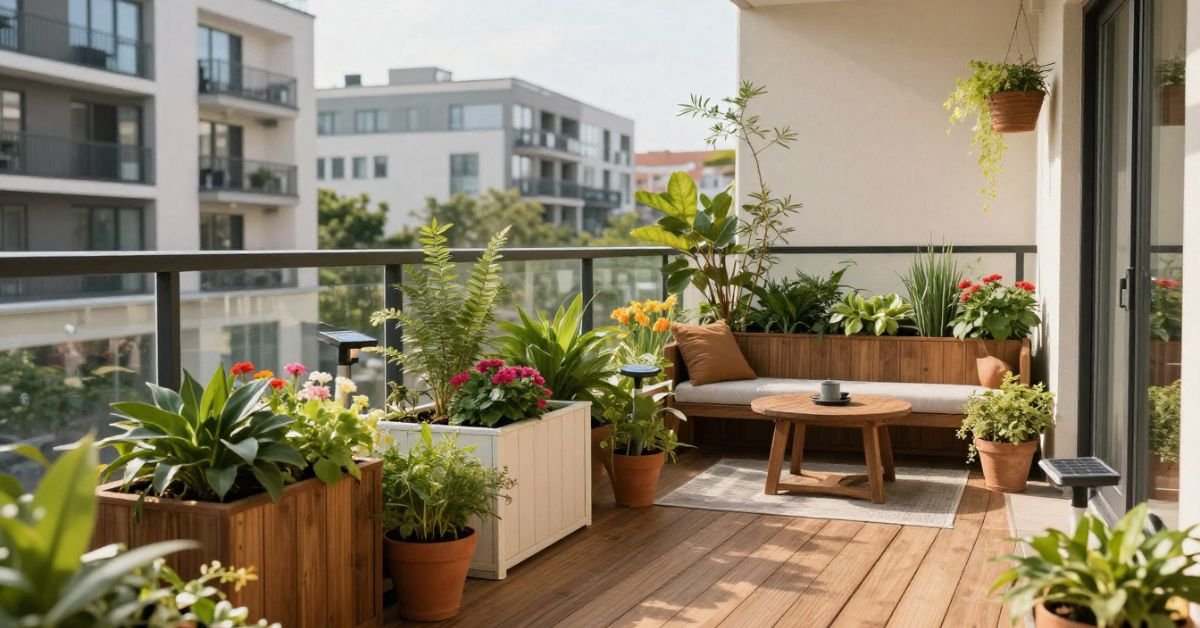
Vertical gardening converts empty walls, fences, and balconies into lush, productive spaces.
Ideas You Can Try at Home:
- Hanging shoe organizer as a vertical herb garden
- Wall-mounted planters with climbers like peas and beans
- Trellis baskets for cucumbers and squash
Benefits:
- Maximizes limited areas
- Improves air circulation (reduces disease)
- Easier harvesting and maintenance
Trend Tip:
Modular vertical garden kits are now available at big-box stores and online retailers with drip irrigation built-in.
Smart Gardening Tech for
Technology is transforming how we grow food at home. Thanks to smart solutions, even first-time gardeners can succeed faster.
Latest Urban Gardening Tools:
- Bluetooth soil monitors: Track your plant’s exact needs
- Automated watering systems: Save time and water
- Grow-light AI timers: Optimize indoor light cycles
- Garden planning apps (like From Seed to Spoon)
| Tech Tool | Functionality | Avg. Cost |
| Smart Irrigation Kit | Automates watering | $80–$150 |
| Soil Sensor | Tracks moisture & pH | $25–$45 |
| Hydroponic Kit | Indoor growing system | $100–$200 |
Expert Note:
These devices increase success rates and reduce beginner mistakes.
Composting at Home: A Beginner’s Approach
Don’t toss your scraps—turn them into soil gold. Grosseasy.com Composting is a key part of circular urban living.
Best Options for Small-Scale Composting:
- Bokashi bins (indoor-friendly, no smell)
- Vermicomposting (worm bins that fit under your sink)
- Countertop food digesters (electric units)
Compostable Items:
- Fruit & vegetable scraps
- Coffee grounds
- Eggshells
- Cardboard bits
Avoid Composting:
- Dairy
- Meat
- Oily foods
Sustainability Check:
On average, you can reduce 30–40% of your household waste through composting.
Balcony and Rooftop Garden Design Ideas
Turn your outdoor nook into a lush oasis—even in the concrete jungle. A well-designed garden is functional and aesthetic.
Design Principles:
- Zoning: Create areas for growing, relaxing, and storing tools.
- Layers: Use shelves, wall pots, and hanging baskets.
- Mobility: Plants on wheels for flexible layouts
Design Trends:
- Edible gardens that double as décor
- Solar-powered garden lighting
- Eco-containers made of recycled plastic
Tip:
Stick with lightweight pots for upper-floor safety and drainage; check it in Grosseasy.com.
Sustainable Watering: Drip Systems, Rain Barrels & More
In urban gardening, water efficiency is non-negotiable. Here’s how to water smarter—not harder.
Water-Saving Systems:
- Drip irrigation kits: Deliver water directly to roots
- Self-watering pots: Ideal for busy gardeners
- Rain barrel diverters: Affordable, eco-friendly
Comparative Table:
| Method | Water Efficiency | Cost | Skill Needed |
| Drip Irrigation | ★★★★★ | Moderate | Intermediate |
| Self-Watering Pots | ★★★★☆ | Low | Beginner |
| Manual Watering | ★★☆☆☆ | None | Easy |
Green Tip:
One rain barrel can collect up to 50 gallons per rainfall—great for summer droughts.
Indoor Gardening with Hydroponics & Grow Lights
Want fresh produce even without a balcony or backyard? Hydroponics may be your solution.
What You’ll Need:
- Hydroponic setup (deep water, wick, or NFT system)
- Full-spectrum LED grow lights
- Nutrient-rich water solutions
Benefits:
- Year-round harvests
- No soil mess
- Fast growth cycles
Great starter plants:
Check out Grosseasy.com upcoming guide for step-by-step hydroponic tips.
Pest Control without Chemicals: Organic Solutions
Say goodbye to harsh pesticides. Organic pest control is effective and eco-conscious.
Organic Pest Control Toolkit:
- Neem oil spray
- Diatomaceous earth
- Garlic or chili sprays
- Companion planting (e.g., marigolds with tomatoes)
| Pest | Organic Solution |
| Aphids | Neem oil, ladybugs |
| Slugs | Beer traps, copper tape |
| Spider mites | Insecticidal soap |
| Whiteflies | Yellow sticky traps |
Chemical-free equals food-safe and pollinator-friendly gardens.
DIY Garden Projects That Boost Sustainability
Want to take your gardening further? Try these easy, sustainability-boosting DIY projects.
Perfect Weekend Projects:
- Pallet gardens using upcycled wood
- Tin can herb planters for your kitchen
- Solar jar lights for garden ambiance
- Seed bombs to green vacant urban lots
Cost Estimate Table:
| Project | Material Cost | Time Required |
| Tin Can Herb Planters | $5–$10 | 30 minutes |
| DIY Drip System (homemade) | $15 | 1 hour |
| Vertical Pallet Garden | $20–$40 | 2–3 hours |
Tools don’t make the gardener—you do. But the right DIY helps.
FAQs
Is urban gardening suitable for small apartments?
Yes! You can grow herbs, microgreens, and even small veggies on windowsills or using vertical setups.
Can I garden indoors without natural sunlight?
Absolutely. Use full-spectrum grow lights for effective indoor gardening.
What’s the quickest vegetable I can grow in a small space?
Lettuce and radishes are fast-maturing options that thrive in containers.
How do I start composting in my apartment?
Begin with a bokashi bin or electric composter—they’re smell-free and compact.
Are hydroponics difficult for beginners?
Not at all! Starter kits simplify the process—perfect for first-time indoor gardeners.
Conclusion
Urban gardening is no longer just a trend—it’s a lifestyle that cultivates wellness, sustainability, and independence. Whether you’re maximizing your fire escape’s sunlight, setting up a hydroponic oasis indoors, or learning to compost without a backyard, grosseasy.com is here as your trusted guide every step of the way.
Our team curates every tip, product review, and project with years of hands-on experience in both urban gardening and sustainable design. We believe anyone can garden—no matter where you live or how much time you have.


